
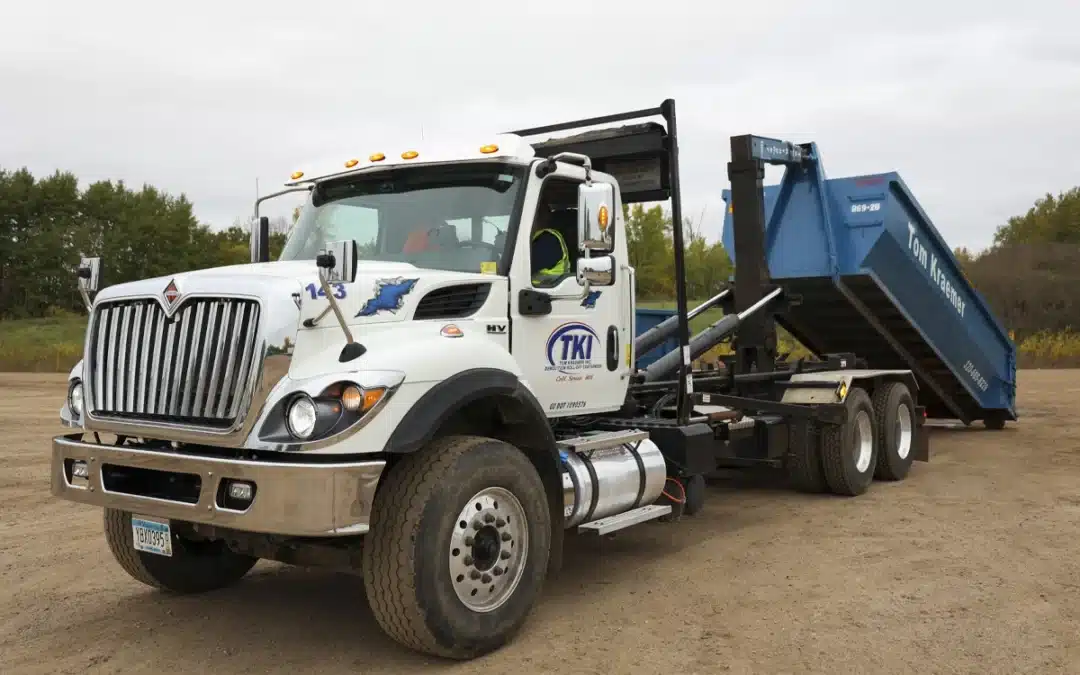
Planning season is when successful job sites are built. Before crews arrive and materials are delivered, contractors who plan waste removal early avoid slowdowns that can derail schedules later. One of the most effective ways to stay ahead is planning for a roll off dumpster for construction debris before work begins.
With support from a trusted local provider like Tom Kraemer Inc., contractors can control debris flow, reduce downtime, and keep job sites safer and more efficient. This guide walks through staging, budgeting, scheduling, weight expectations, and seasonal considerations so you can plan job site waste with confidence.
How Should Contractors Plan Dumpster Staging on a Job Site?
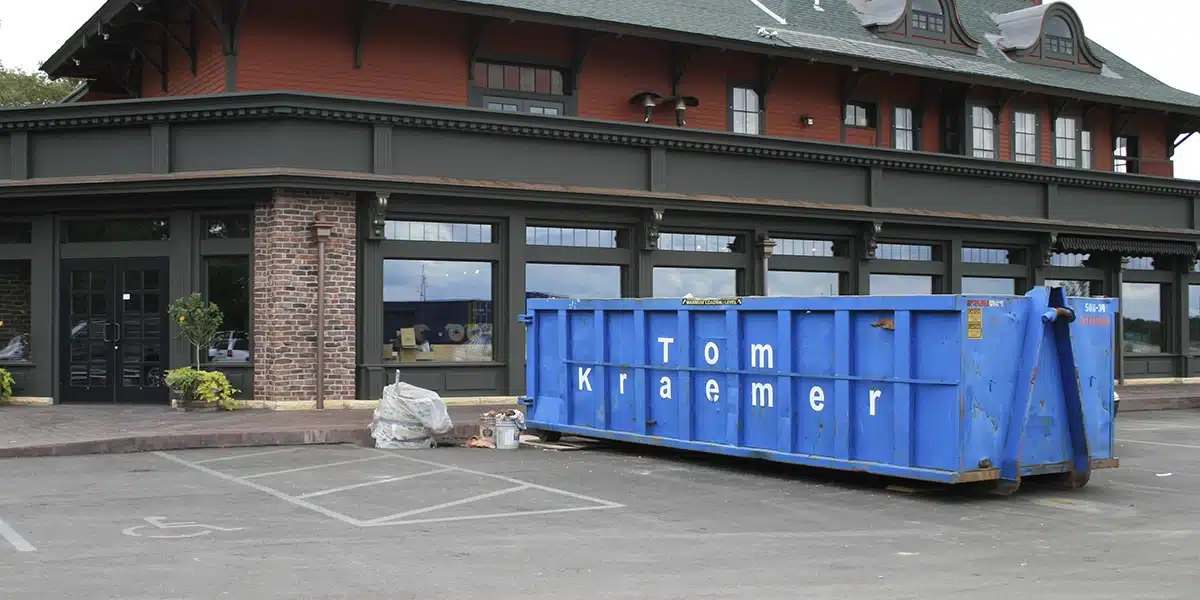
Dumpster placement directly affects productivity. Poor staging can block access, slow crews, or interfere with deliveries. Planning staging ahead allows your roll off dumpster for construction debris to support the workflow rather than interrupt it.
Best practices for staging include:
- Placing dumpsters on flat, stable ground
- Keeping clear access for delivery and pickup trucks
- Avoiding high-traffic or equipment staging zones
- Adjusting placement as the project moves from demolition to build-out
What Should You Budget for Construction Debris and Weight?
Many contractors budget for dumpster size but underestimate weight. Volume and weight are not the same, and heavy materials can reach limits faster than expected.
Materials that add weight quickly include:
- Concrete and asphalt
- Roofing shingles
- Dirt, rock, and masonry
Planning weight expectations early allows you to schedule additional hauls when needed instead of risking overage charges. Separating heavy debris from general construction waste is often the most cost-effective approach.
How Do Scheduling and Seasonal Conditions Impact Waste Planning?
Dumpster scheduling should align with your project timeline. Ordering too late can cause cleanup delays, while poorly timed pickups can create site congestion.
In Minnesota, seasonal conditions matter:
- Frozen ground can affect placement in winter
- Spring thaw may impact truck access
- Shorter daylight hours can slow cleanup
Coordinating delivery and pickup around weather, site conditions, and project phases helps prevent downtime and keeps projects moving forward.
Keeping Your Job Site Moving With the Right Waste Plan
Job site waste planning gives contractors control. When staging, weight, and scheduling are planned upfront, crews stay productive and projects stay on track. A well-planned roll off dumpster for construction debris becomes a tool that supports efficiency instead of a problem to manage mid-project.
TKI works with contractors to align dumpster service with real job site needs, helping reduce delays and keep work moving. To plan your next project with confidence, explore roll-off dumpster services and request a quote today.
Frequently Asked Questions
How early should contractors schedule a roll off dumpster?
Scheduling during the planning phase is best to ensure availability and proper placement before work begins.
What construction debris typically reaches weight limits fastest?
Concrete, shingles, dirt, and masonry materials add weight quickly and often require separate planning.
Can dumpster pickup schedules change during a project?
Yes. Pickup frequency can be adjusted based on debris volume and project pacing when coordinated in advance.