
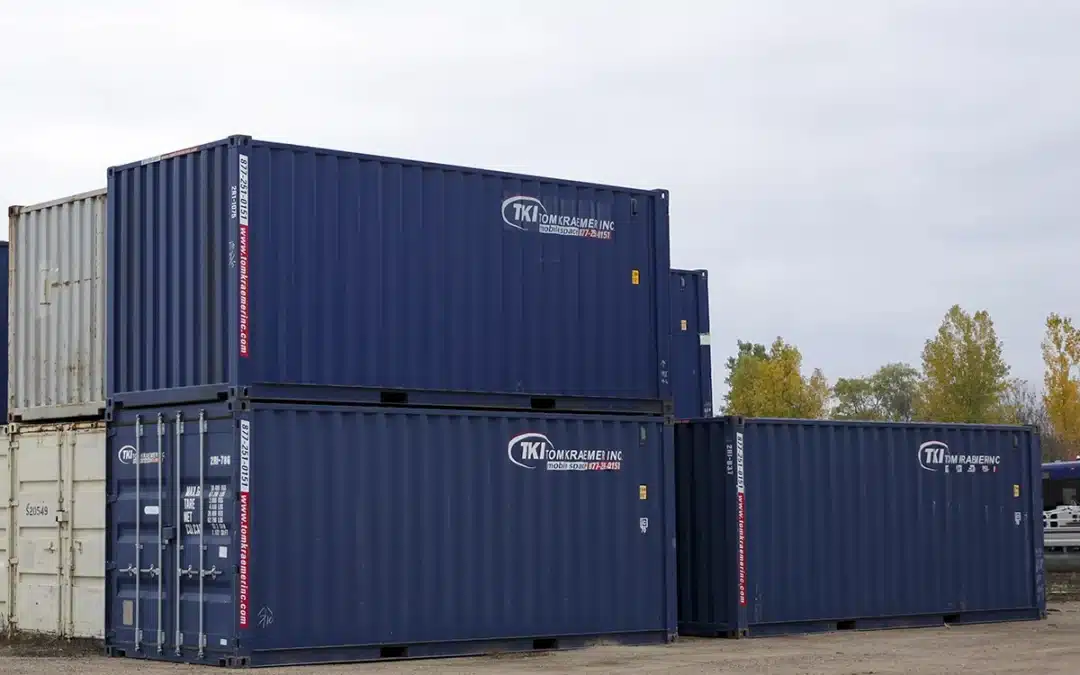
If you’re running a business that needs secure, on-site storage, you’ve probably asked yourself, “how do I buy shipping containers that actually meet my needs?” Between size options, condition grades, and delivery logistics, it can feel overwhelming. That’s where an experienced partner like Tom Kraemer, Inc. comes in. They help you navigate every step, from choosing the right container to customizing it for your operations.
In this guide, you’ll learn everything you need to know about how to buy shipping containers, including selecting the correct size and grade, inspecting for quality, preparing your site for delivery, and exploring modification options to maximize your container’s value. By the end, you’ll feel confident making a smart, long-term storage investment.
How Can I Buy Shipping Containers With Confidence?
Buying a container requires more than choosing a size. Factors such as condition, grade, structural integrity, intended use, and delivery access all play a role in ensuring long-term performance and value. Understanding how containers are sourced, inspected, modified, and delivered helps avoid unexpected costs and limitations down the road. Tom Kraemer, Inc. supports this process by offering quality-vetted containers, in-house modification expertise, and dependable delivery, helping businesses select solutions that align with their operational needs and long-term goals.
Start exploring storage container options today and request a quote to find the container that’s right for your operation.
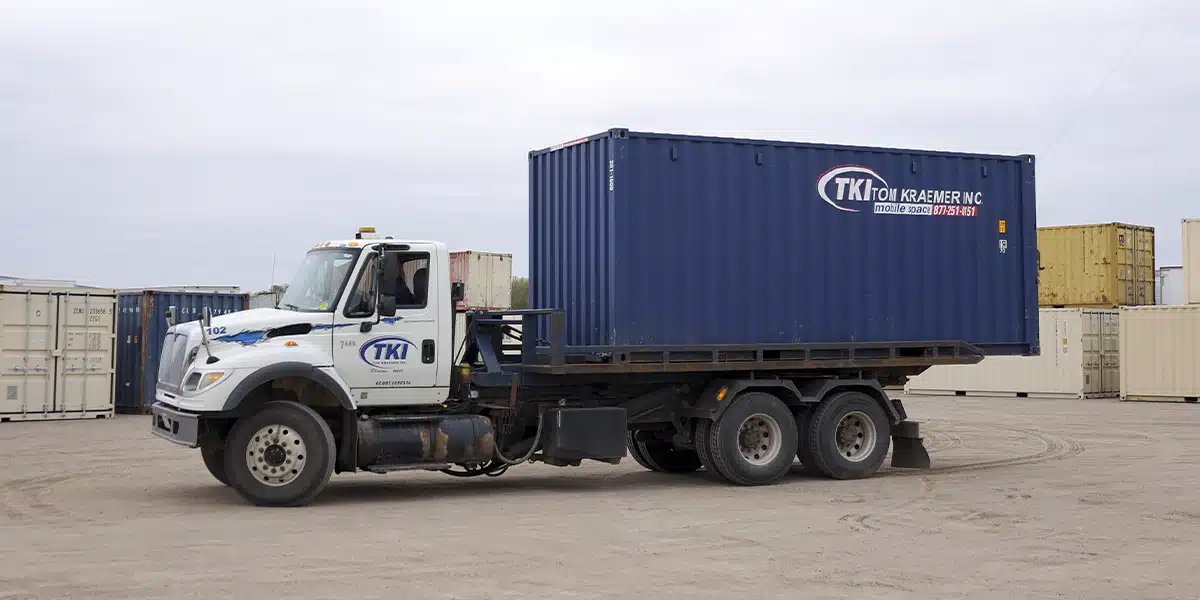
What Size and Grade Container Should I Buy?
Commercial containers are most commonly available in 20-foot and 40-foot lengths:
- 20-foot containers: Suitable for smaller storage needs or sites with limited space, such as jobsite storage, tools and equipment, seasonal inventory, or compact storage solutions.
- 40-foot containers: Best for larger inventories or when you want maximum capacity in a single unit, including bulk materials, retail overflow, or long-term on-site storage.
Container grade affects durability and suitability:
- One-Trip: Nearly new, high-quality containers with minimal wear; ideal for long-term use, modifications, or applications where appearance and structural condition are a priority.
- Cargo Worthy: Used containers certified for safe transport; ideal for shipping, export, or secure storage where functionality matters more than cosmetic condition.
- Wind & Water Tight (WWT): Provides basic protection; ideal for short-term or light storage but may require extra maintenance for long-term use.
Selecting the right size and grade ensures your container fits your storage needs. Explore storage container options to see what’s available.
What Should I Inspect Before Buying a Container?
Before committing to a purchase, inspect the container for these key details:
- Rust and corrosion: Check corners, doors, and edges.
- Floor condition: Ensure it’s strong enough to handle your inventory.
- Doors and seals: Confirm doors close securely and seals prevent water intrusion.
- Roofline and structure: Look for dents or warping that could compromise strength.
Working with a trusted vendor reduces the risk of buying a container with hidden damage. If you’re unsure whether buying is the best option for your long-term storage, this article can help you weigh your choices: rent vs. buy a shipping container for storage
How Do Delivery and Modifications Affect My Purchase?
Delivery logistics and modifications are critical to a successful container purchase:
- Delivery considerations: Ensure your site has level ground, proper clearance, and truck access.
- Modification options: Shelving, ventilation, insulation, roll-up doors, or climate control can transform a container into a fully customized storage solution.
- Custom build-outs: Learn about specialized shipping container modification options and how working with a shipping container modification company can maximize your storage efficiency.
By evaluating delivery logistics and possible modifications, you’re taking a smart approach to how to buy shipping containers that fit both your space and operational goals.
Frequently Asked Questions
How long do shipping containers last for commercial storage?
With proper placement and minimal modifications, commercial-grade steel containers typically last 15–25 years.
Can I add insulation, HVAC, or shelving after purchase?
Yes. Containers can be fully customized with climate control, shelving, custom doors, and more. Learn more about modifying shipping containers.
Should I rent or buy a container if I’m unsure about long-term needs?
Renting can be cost-effective for short-term needs, but buying provides better ROI for ongoing storage. Read about rent vs. buy options to decide what works best.
How do I know if a container is high quality before buying?
Inspect for rust, floor damage, door seals, and structural integrity, and always purchase through a trusted supplier like Tom Kraemer, Inc.