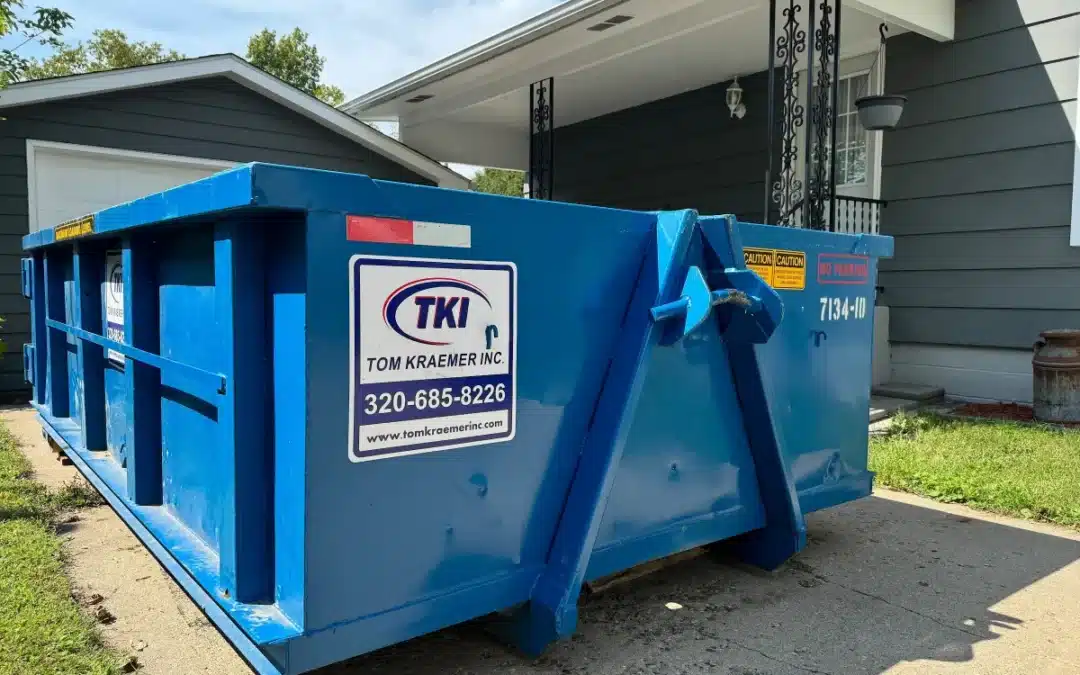
A dumpster rental should make your home project easier, not leave you wondering why the final bill is higher than expected. Whether you’re tackling a renovation, clearing out years of clutter, or taking on a DIY project, a little planning can help you avoid surprise charges.
The dumpster rental tips for homeowners outlined below will help you get the most from your rental while keeping costs under control. And when you need container and dumpster solutions, you can call Tom Kraemer Inc. for a container that fits your project.
Why Is Choosing the Right Dumpster Size Important?
The right dumpster size gives you enough room for your trash without paying for more space than you need. A container that’s too small can fill up before the job is finished, leaving you with additional pickup or rental costs.
To choose the right size, consider how much waste you’ll generate and what you’re throwing away. Bulky furniture takes up space quickly, while heavy materials like concrete or roofing shingles can hit weight limits before the dumpster fills up.
How Can You Avoid Dumpster Overage Fees?
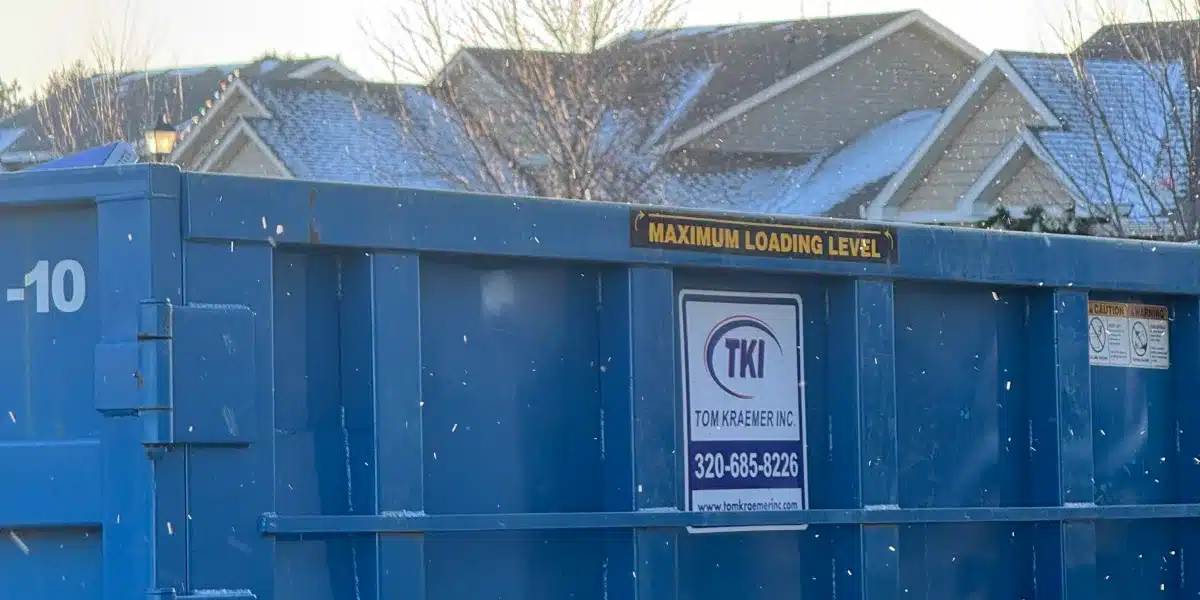
When you’re clearing out a home or tackling a renovation, it’s tempting to keep loading debris until the dumpster is full. However, you might reach the weight allowance before you run out of space. Materials like concrete, dirt, and roofing shingles are especially heavy, so even a partially filled container could exceed its weight limit and result in additional charges.
Before filling your dumpster, confirm the weight allowance and what you’ll be charged if you exceed it.
Here are some dumpster rental tips for homeowners to keep in mind as you load:
- Watch the weight. Account for dense materials that can quickly use up your weight allowance.
- Stay below the fill line. Keep all debris within the dumpster’s designated loading limit.
- Plan for your debris. Estimate both the volume and weight of your waste so you can choose a dumpster with the right capacity.
By managing how much you load and how heavy it is, you can make better use of your rental and avoid unnecessary overage charges.
What Can and Cannot Go in a Roll-Off Dumpster?
One of the most valuable dumpster rental tips for homeowners is knowing what you cannot put in the container. Certain materials require special handling and shouldn’t be mixed with regular waste. Adding these items could result in extra sorting, handling, or disposal charges.
Different roll-off dumpsters have different guidelines, but generally…
- Accepted materials include household junk, cardboard, lumber, and other approved debris.
- Prohibited materials include paint, chemicals, batteries, and hazardous waste.
- Special disposal items include appliances, electronics, and tires. These may need separate recycling or disposal arrangements.
If you’re unsure whether something can go in your roll-off dumpster, keep it separate until you’ve confirmed how to dispose of it. TKI can help you identify the appropriate disposal option so you can avoid contamination charges.
Avoid Extra Dumpster Rental Fees With TKI
These dumpster rental tips for homeowners will help you avoid unexpected costs: choose the right container size, stay within weight and loading limits, and know which materials are accepted.
TKI is here to help you understand the requirements before your dumpster arrives, so you can avoid extra fees and make the most of your rental. Explore our roll-off dumpsters and contact us when you’re ready to find the right one for your project.
Frequently Asked Questions
What should I know before renting a dumpster for my home?
Before renting a dumpster, estimate how much debris your project will generate and consider the types of materials you’ll be throwing away. Confirm the container’s weight allowance, loading requirements, and accepted materials. These dumpster rental tips for homeowners can help you choose the right container and avoid unexpected charges.
What happens if my dumpster is too heavy?
If your dumpster exceeds its weight allowance, you may be charged an additional fee based on the excess weight. Heavy materials like concrete and roofing shingles can add up quickly, so confirm your rental’s weight limit before loading and ask about options for disposing of dense debris.
How do I know what I can put in a roll-off dumpster?
Check the accepted materials for your specific dumpster rental before beginning your cleanup. Certain items, such as hazardous chemicals and batteries, require separate disposal. If you’re unsure about an item, contact TKI before placing it in the container to avoid potential contamination or disposal fees.