
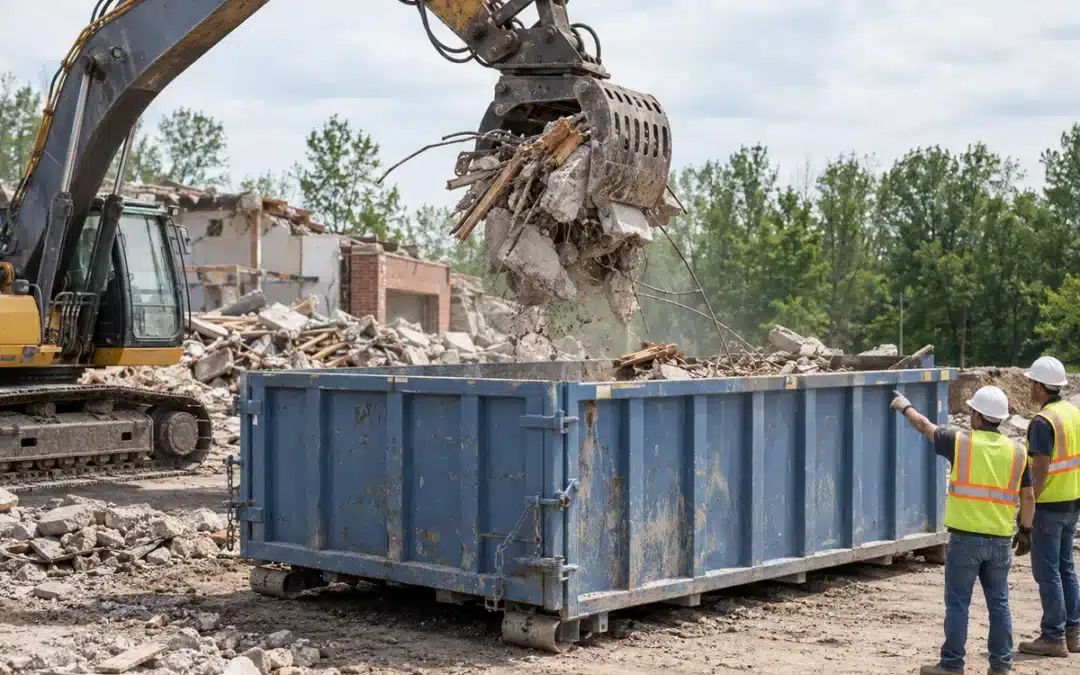
An efficient demolition debris cleanup plan is critical for keeping construction projects safe and on schedule. Accumulating debris creates potential hazards and can make it difficult for teams to perform work or navigate machines. By coordinating containers, pickups, and disposal with your project schedule, you can keep work areas clear and prepare for the next phase of construction.
Tom Kraemer Inc. provides container and dumpster solutions for contractors managing demolition waste. Keep reading to learn the importance of planning cleanup before demolition begins and how to effectively manage debris throughout the project.
How Should You Plan Demolition Debris Cleanup Before Work Begins?
Planning cleanup alongside demolition helps you match disposal capacity and removal timing to the pace of the work. With a process established before crews begin, you can keep material moving out of active areas and maintain usable space across the jobsite.
Here’s how you can plan demolition debris cleanup before work begins:
- Estimate the types and volume of debris the project is likely to generate.
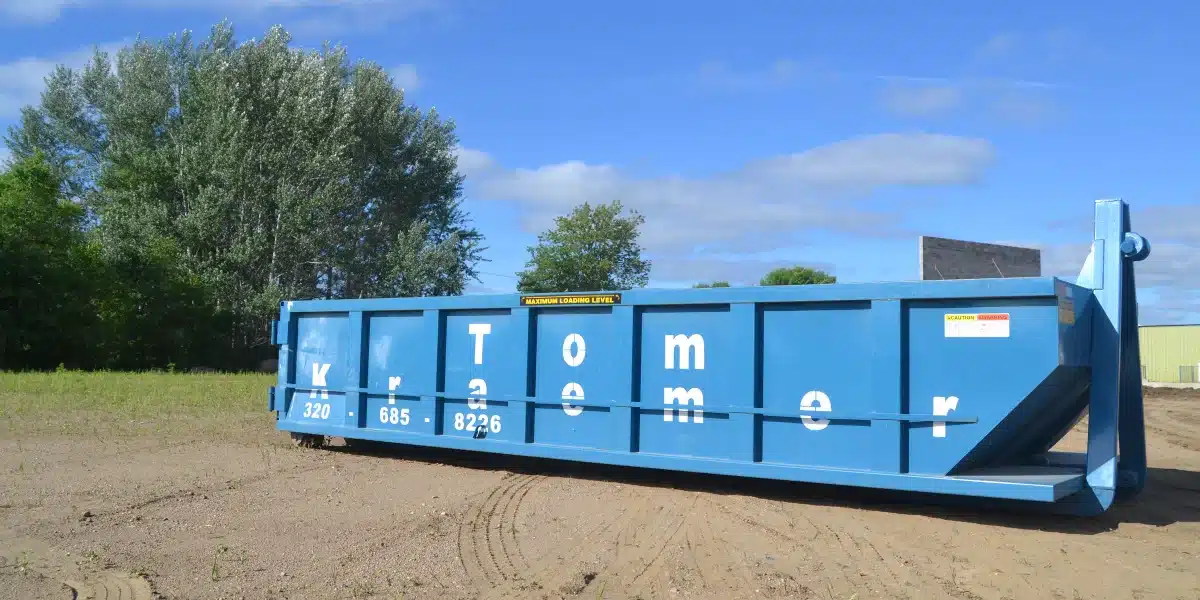
- Determine the right roll-off dumpster size, and if you’ll need more than one.
- Place containers in a convenient area that doesn’t disrupt equipment access or site traffic.
- Schedule container pickups and replacements around the pace of demolition.
How Can You Keep Demolition Debris Moving Throughout the Job?
As crews remove materials, direct them to sort debris as needed, move it out of active work areas, and load it into containers. Building these steps into the daily workflow keeps usable space available as the project advances and reduces the amount of debris you’ll need to manage at the end.
Here’s how you can integrate daily demolition debris cleanup:
- Separate and load materials as demolition progresses.
- Monitor how quickly roll-off dumpsters are filling so you can coordinate service before they reach capacity.
- Keep container access clear so crews can load debris and haulers can retrieve full containers without interfering with other jobsite activity.
When Should You Use Demolition Services and Site Cleanup?
Demolition and cleanup support makes sense when the scope requires more coordination than renting and filling a container. Instead of managing demolition, debris removal, recycling, and salvage separately, you can consolidate that work with demolition services and site cleanup from TKI.
Here are a few scenarios where it might make sense to outsource demolition and cleanup:
- Recycling and salvaging need to be managed alongside disposal.
- You want to coordinate fewer cleanup-related tasks and schedules.
- Demolished areas need to be cleared quickly, so the next project phase can begin.
Keep Your Next Job Moving With TKI
Efficient demolition debris cleanup starts before demo begins. By planning your disposal needs early, removing debris daily, and bringing in additional support when needed, you can maintain working space and stay on schedule.
Streamline your next project by coordinating demolition, debris removal, recycling, salvage, and site cleanup with TKI. Learn more about TKI’s demolition services and site cleanup.
Frequently Asked Questions
What is included in demolition debris cleanup?
Demolition debris cleanup typically includes collecting material from demolished areas, sorting it when necessary, loading it into containers, and removing it from the jobsite for disposal, recycling, or salvage. The exact process depends on the materials involved and the scope of the project.
How should contractors choose a dumpster for demolition debris?
Choose a dumpster based on the type and estimated volume of debris your project will generate. You should also consider available jobsite space, container placement, loading requirements, and how frequently the dumpster will need to be emptied or replaced.
When should demolition debris be removed from a jobsite?
Remove demolition debris throughout the project rather than waiting until demolition is complete. Coordinating removal with the pace of the work helps keep active areas accessible and gives crews and equipment the space needed for upcoming construction.